





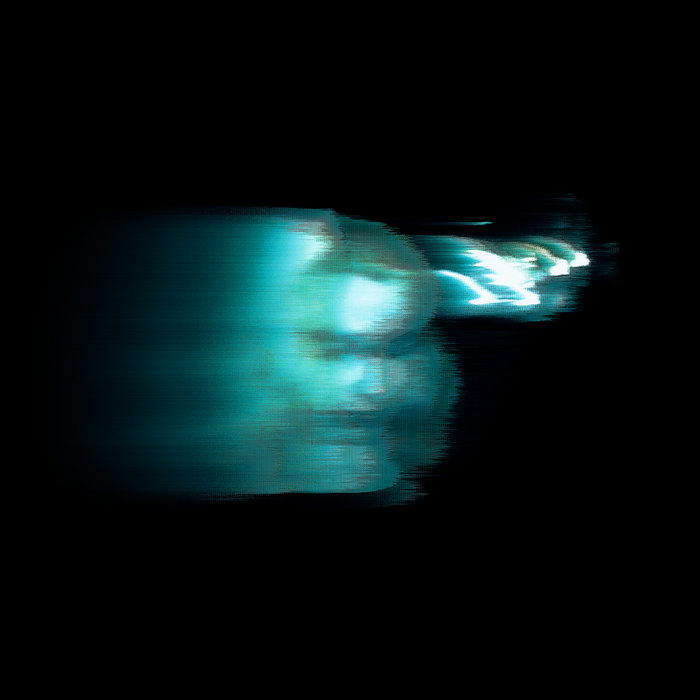
Phoebe Bridgers has returned, releasing her first solo album in six years, titled “Lost Weekend.” The album shot to No. 2 on the Billboard 200 less than a week after its release, making it Bridgers’ biggest debut yet.
Fans had high expectations for the album after Bridgers took a hiatus from producing solo music, during which she was one-third of the Grammy Award-winning Boygenius. Since her last solo album, “Stranger in the Alps,” Bridgers has experienced a messy public breakup, a new high-profile relationship with musician and comedian Bo Burnham, her father’s death and the ending of her band Boygenius. Grappling with love, loss and grief, Bridgers brings fans along the journey. These life-altering events present themselves in the eerie, unsettling electronic sound behind many of the tracks.
In track one, “The Outside,” Bridgers shifts from an earlier acoustic guitar indie-folk sound to heavy auto-tune and electronic production, heavily distorting the vocals. The first lyrics of the album, “Crying in a suit and tie / But you should see the other guy,” are one example of Bridgers’ use of dry wit throughout her songwriting. She touches on dissociating from her own experiences and being on the sidelines as she describes her father’s funeral. This contrast between her private experiences and her public life also reflects the album’s exploration of fame and the way it can distance her from her own experiences.
The first single on the album is “Lost Boys,” where Bridgers goes back to her roots on guitar. The song alludes to the Lost Boys in the movie “Peter Pan,” a group of boys who vow never to grow up. Here, Bridgers discusses the realities of adulthood, referring to the men in her life who “never grow up, never get old,” failing to change and remaining in destructive patterns, as “Lost Boys.” Notably featured in this song are Bridgers’ former bandmates from Boygenius, Julien Baker and Lucy Dacus.
The next song, “Kill Me,” discusses the passage of time, which Bridgers says is going to kill her, once again touching on the album’s broader theme of fear of growing older. The production of the song is dark and slow, matching the tone of the lyrics and reinforcing the fear of time passing.
On a much happier note, “The Governor’s Waltz” is immediately followed by “Bobby,” one of the more upbeat songs on the album, which has a similar sound to that of Bridgers’ earlier albums. This love song is built around a character, Bobby, and her desire for a future with him. The song’s upbeat nature reflects the happiness she feels in her relationship through a positive shift in tone. Burnham provides backing vocals on this song, alluding to their love, as well as on several other tracks throughout the album.
“Haunted,” the next track on the album, feels like the aftermath of the heartbreak discussed in “Lost Weekend,” touching on the challenges of continuing to perform publicly while dealing with personal struggles. Despite everything she goes through in her personal life, she’s still “puttin’ on my makeup / While they’re lighting the stage up.” The song’s upbeat production reinforces Bridgers’ sense of resolution, with lyrics like “You can go or you can stay / I’m gonna put myself together either way.”
“Panorama” is one of the darkest songs on the album, and with only a few lyrics, it seems to explore the inevitability of death, with a long, eerie instrumental section that takes up most of the song. Similarly, Bridgers creates another slow, somber song with “Still Standing,” which explores heavy themes depicting memories of abuse, which fans speculate is about her father and her complicated grief following his death. The song highlights her survival through both the abuse she endured growing up and the grief that followed his death.
The next song, “Liberty Tree,” is upbeat and is another song centered on her relationship and the joy it brings her. She ties this back to the previous theme of death on a happier note, with the lyrics “Don’t die, Bobby, before I die / It feels so good to have you in my life.” “Never Going Back!,” which follows, is a short, fun song with repetition of the line “Never going back again / The way it used to be is not the way that it is.” It features a voicemail from her dad with themes that explore the struggle to move forward after the death of a loved one.
Bridgers also reflects on her past by incorporating music from her 2020 song “Graceland Too” throughout the album. In songs like “Liberty Tree” and “As Above,” she reuses parts of the song’s melody. In “Lost Parade,” however, the melody is transformed into an entirely instrumental piece, with the music warped and muffled, creating an almost dreamlike quality. Bridgers connects her past to her present by bringing back melodies from earlier songs, representing how past experiences shape growth and healing.
The second-to-last track on the album, “As Above,” is another slow song in which Bridgers uses airplane imagery to symbolize feeling caught between different points in her life. As the song progresses, the instrumentation develops from just piano to include synthesizer and organ, creating a layered sound that is a notable quality of producer Ethan Gruska’s work.
Closing out the album, Bridgers returns to feelings of heartbreak, acceptance and resolve. The reprise is much shorter, repeating the original’s melody, but a change in lyrics reflects her shift from heartbreak toward acceptance and a willingness to hold onto the love she has found.
Overall, the album shows a completely new side of Bridgers, one that is raw, emotional and reflective. Her use of lyricism and experimental production allows listeners to better understand her emotions, making “Lost Weekend” a meaningful reflection on the pain and experiences that come from a history of trauma, as well as the healing and new love that can come from moving forward.
Rating: 4.5/5