





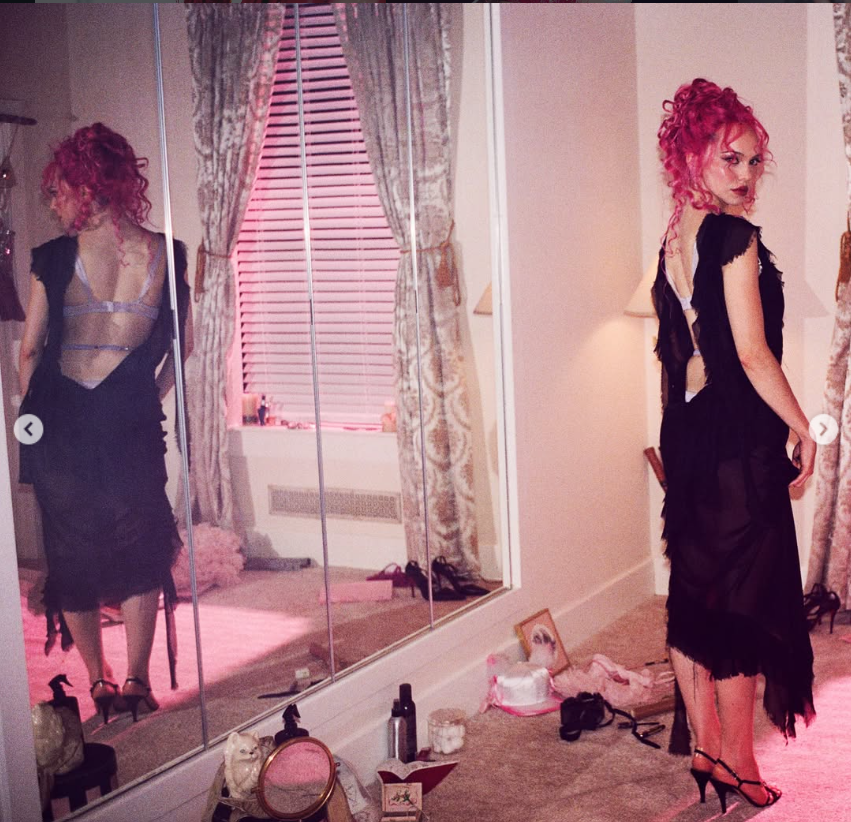
Adéla Jergová, the Slovak singer-songwriter and dancer, released her debut album “PRIMA” on Sept. 4, featuring 11 songs.
Leaning into mainstream dance and electropop, Adéla’s new album plays on nostalgia — contrasting with her previously gritty discography. Hitting a blend of upbeat, catchy party songs and emotionally charged ballads, Adéla’s range demonstrates her ability to build a complex narrative through relatable lyricism.
Born in Bratislava, Adéla began ballet lessons in Moscow at the age of three and became interested in singing after watching “Hannah Montana” as a kid. Feeling constrained by the lack of self-expression in professional ballet, she changed course and moved to Los Angeles in 2022. She starred in the television show “The Debut: Dream Academy” the following year, and after her time on the show, studied music full-time at Santa Monica College.
Beginning her career as a music artist and dancer, Adéla released her debut single “Homewrecked” in 2024, followed by “Superscar” and “Machine Girl” before signing with Capitol Records and subsequently releasing her EP “The Provocateur.” Though the EP did not initially chart, Adéla gained recognition for her alternative, thought-provoking pop style.
Adéla first went viral in mainstream media following the release of “KGB,” after the song’s dance break gained traction on social media, with many dancers recreating the moment. Bridging the sound of her EP “The Provocateur” to her softer debut album sound, Adéla’s “KGB” uses catchy, firm lyrics to illustrate her path of struggle to become a pop star.
Shortly after, the album’s third single “Ain’t in LA” dropped on July 23 and became the first song by a Slovak artist to chart on the Billboard Hot 100. With a synth-pop style, the song serves to recognize the hidden stardom of people around the world, challenging the idea that Los Angeles and other big cities are the only places where dreams can come true.
Released simultaneously with the album, the fourth single “Nicole Kidman” was released on Sept. 4 with a music video. With sparkly visuals and references to Nicole Kidman’s movies, the song contrasts authority with a sickly sweet voice, emanating luxury and positioning herself in prominence.
“I’m The Man” and “Boys” follow suit with “Nicole Kidman” and “KGB,” exuding flirty power with a fun, enticing production. In particular, “Boys,” featuring Lara Raj from KATSEYE, illustrates the conflict of wanting yet detesting male attention.
Following “Red Bottoms,” the tracks “Hitachi,” “Fantasize” and “Starving Artist” work together as a narrative trilogy. Besides demonstrating Adéla’s strong vocals in a vulnerable yet humorous ballad, “Hitachi” sets up the trio, expressing the desire to feel loved again regardless of the cost. “Fantasize” shifts the narrative as Adéla explores a vengeful side — rather than sitting in the sadness of losing her partner’s reciprocity, she turns her eyes to other potential partners. “Starving Artist” rounds out the narrative by leaving her partner behind and finding satisfaction elsewhere while in pursuit of stardom.
The most raw and vulnerable track on the album goes to “Therapy,” which feels like whiplash compared to all of the booming, electropop tracks. Accompanied by a piano, “Therapy” reflects on her emotional state and the ongoing turmoil of missing out on her life and losing her identity in pursuit of her dreams. Though the lyrics are especially simple, they read as an introspective conversation penned in a diary, reflecting on the messiness she feels.
“Marijuana” flips the script once again, turning up the 2010s nostalgia laced throughout the album. Sonically, it feels like a late-night ride, which works perfectly after her vent in “Therapy.” It is exceptionally catchy, but unfortunately the only song on the album shorter than two minutes. Adéla teased both “Boys” and “Marijuana” several months ago, and the tracks were highly anticipated on this album.
Despite the positivity toward the singles and other teased tracks, online discourse highlights many fans’ frustrations that Adéla has shifted from her established provocative and gritty identity in her previous EP to a more mainstream, palatable sound. Still, despite the more tame and on-the-nose nature of “PRIMA,” Adéla has not lost her confidence and delivers all of her songs with unwavering authority. With the genre shift and Adéla’s nostalgic imagery, sound and marketing, fans expect her to go far in the music industry and remain excited for her future projects now that she has even more room to grow her sound.
Rating: 4/5