





It took me a while to get to this column and that’s okay. I have a week to study for my midterms, but I’ve been procrastinating on my Python project due tonight. Not to mention, I don’t have the attention span to keep up with most readings.
Is this what the college grind is about — learning to sit still and “lock in?”
Throughout early school, I performed fine, but once exams and intense coursework began, simple tasks became monumental and I spent more energy dreading them than doing them. Eventually, after scrolling through testimonies and research, a psychologist confirmed I had attention‑deficit hyperactivity disorder in my freshman year. I knew I wasn’t the only 18‑year‑old unaware of their neurodivergence and many others face challenges in executive function that go unexplained or wrongly assessed.
Neurodivergent describes nonmedical differences in how brains process, learn and interact, pushing back against the neurotypical mold — the unwritten standards for how we’re “supposed” to study, socialize and function. I write mainly from an ADHD perspective, but I use neurodivergent to include autistic students, dyslexic readers and others whose brains are wired differently.
Because of stigma and treatment accessibility, neurodivergent youths often resort to self-diagnosis. Self-diagnosis is when someone identifies themselves with a condition based on their own research, without any formal evaluation. Doctors acknowledge that self-diagnosis can help people understand their struggles but also warn it can lead to incorrect diagnoses.
The experience of self-diagnosis is particularly useful for understanding oneself and is especially valuable in adolescence, as youth find the language and concepts to articulate who they are. I can’t speak for every disorder but researching ADHD has transformed my outlook on what challenged me. Online forums made me feel seen rather than lazy.
With ADHD, my happiness, productivity and well‑being hinge on managing my dopamine levels. When I don’t, I’m not my best self and after years of unmanaged symptoms, finally getting a diagnosis felt like enlightenment.
ADHD sits in the Diagnostic and Statistical Manual of Mental Disorders Fifth Edition’s neurodevelopmental disorders chapter alongside autism and specific learning and motor disorders. Unaddressed, ADHD often shows up as chronic procrastination and higher ADHD symptoms have been linked to more depression and anxiety in adults who struggle with putting things off.
These same patterns of restlessness and task paralysis are reflected in the data. A comparative study of students with ADHD found that they earned significantly lower GPAs than their peers and those not on medication had a persistence rate throughout eight semesters of 49 percent compared with 59.1 percent for non‑ADHD students.
Much of the discourse frames these conditions as social constructs of science, understanding them as “not real.” So why label or medicate at all?
Many people choose to opt out of medication over fears of long-term effects and an overall dislike of how the medication works. For bipolar disorder, psychiatrists will often try more than one medication before finding one that helps without unmanageable side effects. Some artists and creatives skip medications, fearing a dulled spark. Others swear by natural alternatives, which only adds to the confusion of weighing trade-offs.
Both diagnosed and undiagnosed people can live long, happy lives, but that doesn’t change the reality of many who are left wondering why ordinary demands of life feel personally overbearing. Many of them don’t realize they don’t have to choose between taking medication and “toughing it out.”
Alternatives to stimulants for ADHD are tools and frameworks of thinking that can be life-changing to someone with chronic symptoms. Lifestyle hacks — workspace optimization, Pomodoro timers and activities like exercise and journaling — make me feel less like a victim of ADHD and more like someone learning how my brain works. A 2019 study of college students with ADHD found that the use of cognitive, psychological and socio‑environmental strategies provides greater self‑management in college.
Critics raise real concerns about over-pathologizing, rabbit holes not backed by science and how much money Big Pharma makes off stimulants and antipsychotics. But the stigmas and fear of being overdramatic are leading people to grind through college with unmanaged symptoms when specific tools and strategies exist. In contemporary academia, it’s easy for an overwhelmed student to lean on AI summaries, especially when they don’t understand why reading is so hard for them.
Neurodivergent labels aren’t rigid “disorders,” but spectrums that unlock pathways to reduce mental blocks and daily chaos. And that benefit outweighs the fear of turning normal variation into pathology.
Neurodivergence doesn’t have to be treated as abnormal. Rather, education and workplace environments have to find ways to address neurodivergent needs.
Binghamton University’s Services for Students with Disabilities offers guidance in accommodations and resources. Also consider the student-run Neurodiversity Club, where you can meet like-minded scholars.
It’s not too late to research neurodivergent identities or talk to a psychologist. Embracing this identity individually or communally reinforces the concept of neurodiversity, which, in large part, is understanding that these differences don’t need to be fixed. In a world of institutions built for the neurotypical brain, I’m learning how to have a healthy relationship with my own to live a quality life on my own terms.
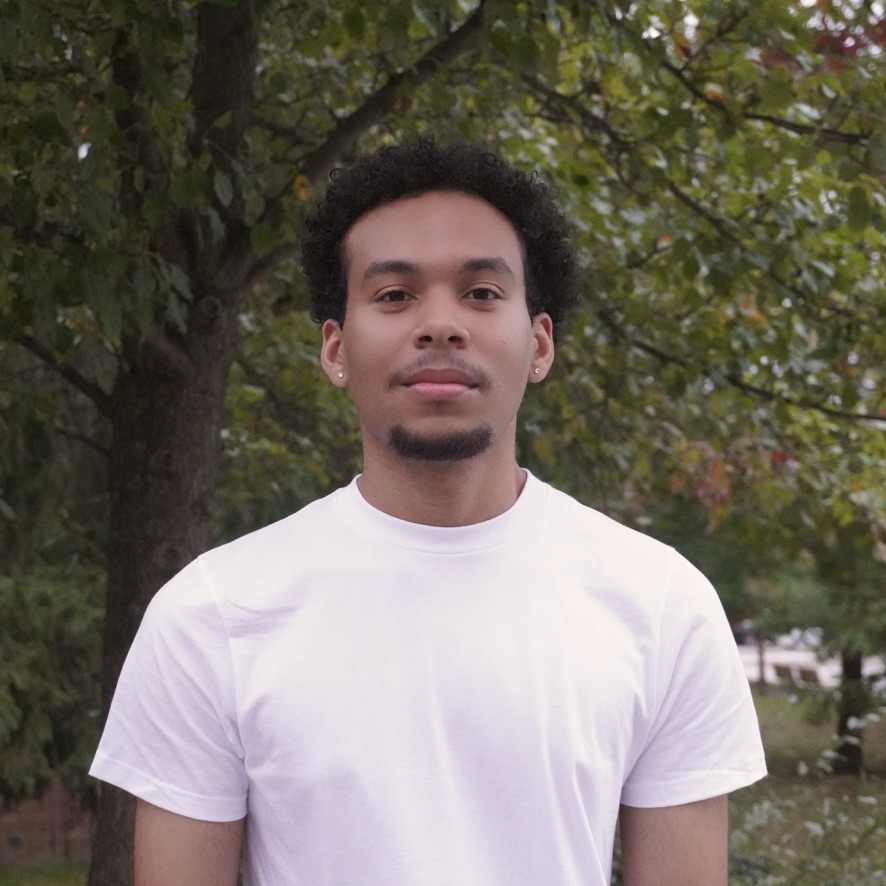
Nicholas Rubiera, a Pipe Dream Opinions intern, is a sophomore majoring in sociology.
Views expressed in the opinions pages represent the opinions of the columnists. The only piece that represents the view of the Pipe Dream Editorial Board is the staff editorial.