


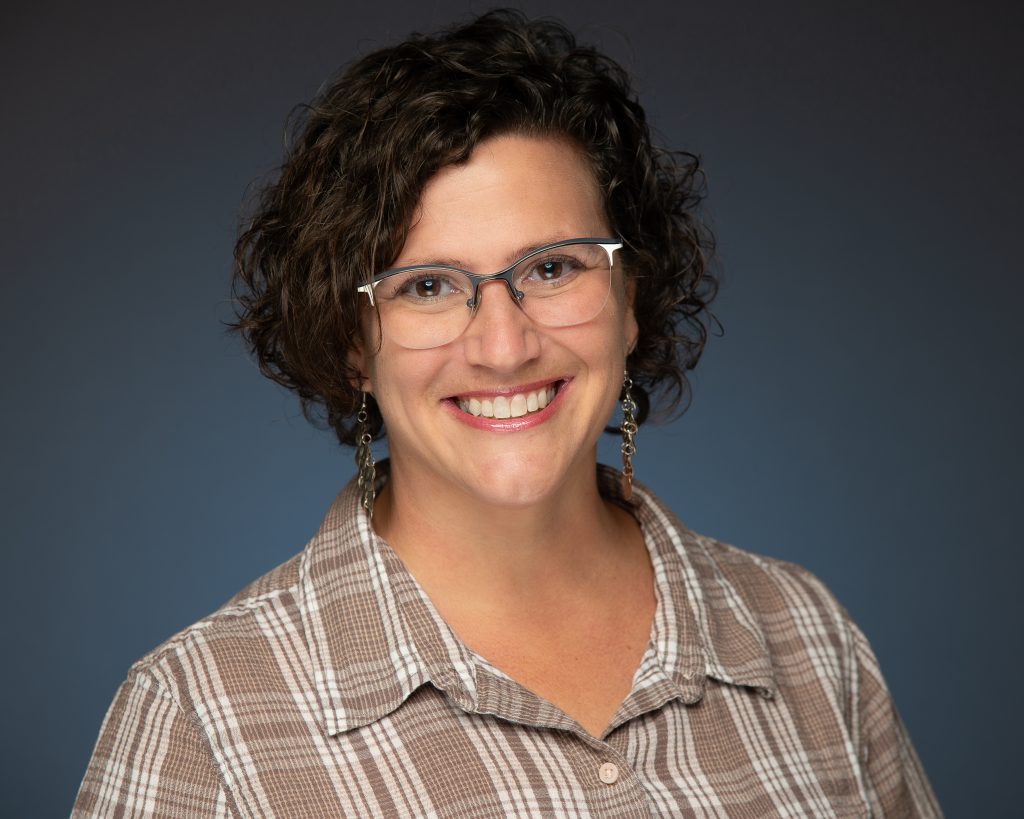
Michele Frazier is the Democratic candidate for New York’s 51st Senate District. Frazier works in real estate for a woman-owned brokerage that operates in five counties. She has previously served on the Oneonta City Council and ran against incumbent Peter Oberacker for State Senate in 2024. Frazier is part of the Democratic and Working Families parties.
Questionnaire responses have been lightly edited for clarity.
How does your background and previous experience qualify you for this position?
I’ve spent my life wearing a lot of different hats: educator, local elected official, real estate agent and perhaps most importantly, a mom raising three boys in rural New York. Each of those roles has shaped how I see the world and what I believe government should be doing for the people it serves.
As an Oneonta City councilmember, I learned how important it is to listen to your neighbors and make decisions that have real consequences for your community. As a college professor, I worked with young people finding their paths and discovering their voices. And as a real estate agent, I’ve seen firsthand how difficult it has become for people to find a place to call home.
I also hold a Doctorate of Law and Policy, so I understand how policy is developed. But more importantly, I understand that behind every policy decision are real people whose lives are affected by it. That’s the perspective I would bring to Albany.
What makes you a good candidate for young voters and students?
I believe young people deserve more than a seat at the table. They deserve to have their voices heard, their ideas taken seriously and real opportunities to lead. That’s not just something I say — it’s something I practice. Half of my campaign staff is under 25 because I value the perspectives, creativity and energy young people bring to the work we’re doing.
Having spent years teaching college students, I know how thoughtful, capable and passionate young people are when given the opportunity.
I also recognize the challenges facing this generation, from student debt and rising housing costs to healthcare and economic uncertainty. Young people shouldn’t have to leave rural New York to find opportunity. We should be building communities where they can afford to stay, work and build their futures.
What motivated you to run for this position?
It’s the stories I’ve heard from people across rural New York that motivated me to run, and those stories stay with me.
The mother whose teenage daughter was starving to death because they couldn’t find a doctor who could figure out what was wrong. The college administrator who took a job at a SUNY campus but has to drive 45 minutes to work because they can’t find a habitable home they can afford on their starting salary. The person who told me they hadn’t eaten in two or three days because they couldn’t afford food.
These aren’t abstract policy problems. They’re real people trying to survive, find stability and build a future.
And all of this is happening while billionaires and corporations have enormous influence over a system that too often puts their interests ahead of working people.
Those stories are why I’m running. I believe government should work for the people, and I’m determined to make sure their voices are heard.
What do you view as the biggest weakness of the current administration, and how would you do things differently?
I believe one of the greatest weaknesses of the current way things work in Albany is the disconnect between statewide policy decisions and the realities of life in rural New York.
Too often, policies are developed with good intentions but without fully considering how they will affect communities with limited public transportation, aging infrastructure, smaller tax bases and fewer resources. The result can be additional costs and responsibilities shifted onto local governments and working families.
I would approach policymaking by asking three questions: Who benefits? Who pays? And have we listened to the people most affected?
I believe in holding government accountable for results, not simply announcing new programs. That means involving local communities early, evaluating the real-world impacts of legislation and being willing to challenge my own party when a policy isn’t working for the people I represent.