





More than 2,000 Binghamton landlords have received letters instructing them to sign up for a new lead rental registry.
The letters come after state lawmakers identified 25 communities across New York with high risk of lead exposure within the home, including Broome County. Registration with the Broome County Health Department will be required for rental property owners in zip codes 13901 and 13905, which include the city’s downtown, Northside, Westside and First Ward neighborhoods. These areas were identified as having higher rates of older housing and lead poisoning among children.
Landlords will have until Jan. 2, 2026 to sign up through the online registration platform, which is not yet live. Once registered, the health department will contact them for an initial inspection and schedule reinspections every three years. Each inspection is free, but landlords will be responsible for repair costs if lead paint is found on the premises.
“For now, we’re just letting landlords know about the lead rental registry,” said Chelsea Reome-Nedlik ‘13, MPA ‘16, supervising public health educator at the Broome County Health Department. “We sent a letter out at the end of October letting them know that this is coming, and giving them a very high-level overview of it and letting them know there’s going to be some next steps.”
In 2023, as part of the state’s annual budget, Gov. Kathy Hochul signed into law a provision establishing a statewide registry for residential buildings with two or more units located outside of New York City. To be placed on the registry, these buildings must have been built before 1980 and be located in areas designated “communities of concern” by the state’s Department of Health.
Over the past two years, the county health department has used state funding to hire and train staff to inspect buildings for lead paint. These inspections will begin after the registration deadline for landlords has passed.
Reome-Nedlik said landlords have “had a lot of questions” related to the new program.
“Most landlords are looking for more information about what the next steps are, because they aren’t quite ready yet — we’re still waiting on some guidance from New York state,” said Reome-Nedlik. “But landlords are calling because they want to get ahead of it and not delay or not comply, because they want to be in compliance.”
Travis Hyde Properties, a local rental company, declined to comment, while Stonebridge Campus Living could not be reached for comment.
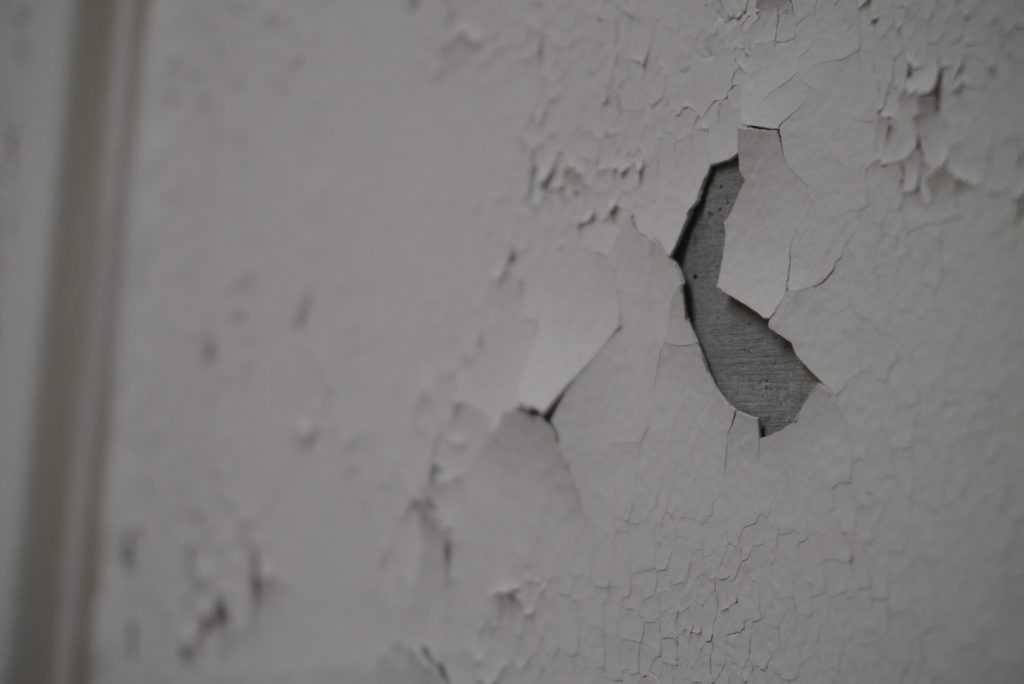
Those living in buildings built before the 1978 federal lead paint ban are at high risk of lead poisoning, which poses serious health risks to children or pregnant individuals. Negative health effects of lead exposure can be permanent and include anemia, hypertension, the development of intellectual disabilities or behavioral disorders, coma or, in very rare cases, even death. While there is no safe level of exposure, lead poisoning can be prevented with proper precautions.
Reome-Nedlik said the health department is actively monitoring approximately 100 children diagnosed with lead poisoning, though the actual number of children with lead poisoning is likely much higher. Due to systemic barriers to testing, only about half of children in Broome County are screened for lead poisoning at the ages of one and two.
“You might go to the pediatrician for your child’s one-year checkup, and then the provider gives you an order for your blood lead test for your child, and you have to drive to the lab to go get the test done,” said Reome-Nedlik. “If you’re a parent that has limited transportation options or no transportation and you’re relying on the bus, then going to one more appointment can be a really big stretch.”
Low-income families are more likely to live in “high lead-risk” housing, meaning children from these homes are at greater risk of being exposed to lead paint.
If a child in Broome County tests positive for lead poisoning, the health department will contact the child’s family and work with them to lower their blood lead levels. Inspectors will also come into the family’s home and remove any hazards. For those struggling financially, the health department provides families with free bus transportation to and from testing facilities, along with referrals to food stamp offices to ensure the child is given the nutritional support needed to decrease blood lead levels.
“The fact is that lead paint is in most old houses,” said Reome-Nedlik. “Whether you’re maintaining it really well or you’re not maintaining it well, it’s there, and it’s only a matter of time before it deteriorates, even if you take great care of your property. And so the purpose of the lead rental registry is to get out in front of that, and find those lead hazards and then fix them before they harm children.”