





Saving the environment is more than recycling old soda cans.
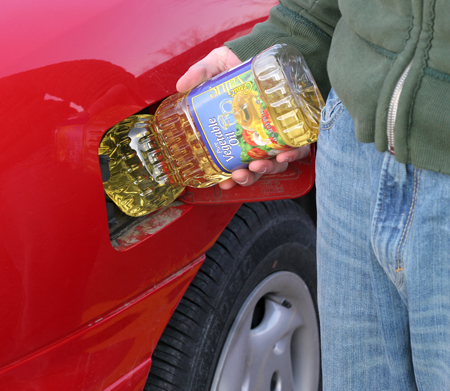
Binghamton University’s Student Environment Awareness Club (SEAC), formerly known as Student Environment Action Coalition, has created a petition to convert used vegetable oil from the campus’s dining halls, Night Owls and the University Union Food Court into biodiesel.
According to the petition, biodiesel is a fuel that “can be used as either an alternative or additive in all petrodiesel powered vehicles.”
The simplified way to make biodiesel is to heat used vegetable oil and add chemicals to it. The substance then breaks down and becomes refined.
According to Ben Hauer, creator of the petition, SEAC’s goal in sponsoring the document is to recycle all used vegetable oil on campus and generate as much of the fuel as possible.
BU has many vehicles that can run on a mix of biodiesel and diesel, and several universities employ biodiesel conversion programs, Hauer said.
“It is a renewable resource, unlike petrodiesel,” he said, adding that diesel’s harm to the environment is reduced through the use of biodiesel, and that the campus is equipped with resources to conduct this type of recycling program.
SEAC has not yet contacted to Sodexo in the hopes of raising interest in the project before speaking to the company. But Bob Griffin, marketing director for Sodexo Campus Services was “disappointed” because he was not contacted first.
Sodexo sells all of its used vegetable oil to Darling International, a company in New Jersey that specializes in the recycling of cooking oil.
“Nearly 100 percent of the oils recovered from this campus are recycled into a wide variety of products and uses, including biofuels,” Griffin said. “While it has a potentially bright future, the high cost of biofuels keep it a small part of the cooking oil recycling process.”
Hauer said members of the Off Campus College Transport and professors on campus have shown interest in the project. Next week, SEAC will perform their first lab test during which they will synthesize the raw vegetable oil into biodiesel. Group members are looking for volunteers for this program, and everyone can join as this project is multi-disciplinary. Participants will be needed in every field, from chemistry and engineering to finance.
SEAC meets Wednesdays at 6:30 p.m. in Science I, room 162. Anyone interested in signing the petition or volunteering for projects may attend.