





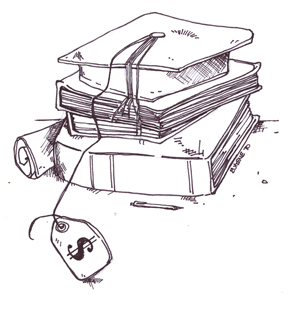
Mistakenly, the state of New York and those in charge of its higher education system think college students, with little warning, should help balance the state’s dilapidated budget.
After this year’s financial woes and the subsequent budget cuts, we knew that a tuition increase would be coming. Last month, student representatives from all 64 SUNY schools even gave the OK for an increase. We’re realists, and in times like these, we could hardly expect schools to maintain the status quo without greater cash flow.
But we figured that would start in fall 2009. No one expected a tuition increase to come as soon as next semester (see Page 1). And even fewer could have expected that schools would be receiving just 10 percent of the $300 increase. That’s $270 the state is taking from its students, who likely chose SUNY to save money in the first place for things other than their education.
Isn’t that what taxes are for? Of course, a state that already has the lowest home ownership rate of all probably can ill-afford to raise taxes. So it must’ve been an easy call to just pickpocket those who really can’t refuse paying a little more — after all, everyone needs a degree these days.
It’s no skin off Binghamton University President Lois DeFleur’s back, one of the SUNY presidents who on Monday approved the hike. She and other presidents actually asked for more money, $545 per semester, starting next year. It’s hard to be more out of touch than that.
As part of the budget cuts, scheduled salary increases at SUNY would also be axed. DeFleur still made over $300,000 last year. A salary reduction wouldn’t hurt either. But life’s always good when you’re steering the ship — SUNY’s Board of Trustees Finance Committee should get together with AIG’s top executives.
Most students, hard as it may be, can likely find a way to scrounge up another $300 per semester. On a positive note, New York state’s Tuition Assistance Program will still cover the costs for those who are eligible. But it’s extortion to tell students who want their degrees that they not only have to pay more for them, but that they have to shell it out for the rest of the state as well.