





Changes to the Scholars Program at Binghamton University have left some students disappointed with the loss of what they say was a big incentive: class registration benefits.
Freshmen participants in the Scholars Program will have less of an advantage over other undergraduate students in the enrollment process this year compared with past practices.
The Scholars Program, which is available to students by invitation only, aims to attract high-quality students to the University and give them an enriched learning experience, according to director George Catalano. The program allows its 400 participants to develop both academic and leadership abilities while making contributions to the local community, he said.
Scholars are required to take regular classes and additional courses deemed “Scholar’s classes.” They are also required to do extracurricular activities, such as internships and honors projects.
According to Jill Seymour, associate director of Harpur Academic Advising, registration times for freshman scholars are now determined by their current credit hours, plus an additional 24. In previous years, freshmen scholars had been able to register with other scholars ahead of all other undergraduate students.
The new policy will only affect freshman scholars.
“The only thing that will change is the amount of priority freshman scholars have; we now have a great compromise and I suspect all parties will be satisfied,” Catalano said.
Freshmen entering BU with no credits would register on Nov. 17. Freshmen scholars would register on Nov. 13, whereas the previous system would have allowed them to register before all undergraduates on Oct. 27.
“Grandfathered scholars” include all scholars except freshmen of the 2012 class. These students are still able to register ahead of all undergraduate students, regardless of their credit accumulation.
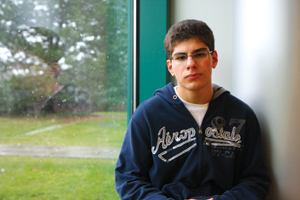
Zack Kerner, a freshman in the Scholars Program, was directly affected by the change.
“I don’t get to register until Nov. 12; that was a downgrade from what it originally was,” Kerner said.
Other students in the program said they could understand why freshmen would be angry.
“If they took away my early registration I would definitely consider dropping out of the program,” Shawn Cohen, a sophomore chemistry major, said.
Justin Mathew, a sophomore undeclared major and participant in the program, said registering early for classes makes a difference for students in the program.
“These new scheduling methods leave freshmen with lesser reason to enter the program,” Mathew said. “It is a big deal to get your schedule to fit all these classes because we have such tough work loads.”
Catalano said priority in registration for classes is not the biggest incentive of the program.
“I think that the biggest incentives are the scholar’s classes with small class sizes; it is like a scholar’s learning community,” he said.
The registration issue is one of fairness for upperclassmen, according to Catalano.
“Students who need courses to graduate shouldn’t be in a position where they can’t register for the classes they need,” he added.
Seymour also said she believed that upperclassmen needed the advantage in the registration process.
“Classes are so competitive; students that need classes for their major are now able to get into their courses in a timely fashion,” she said.
Kerner said his motivation for joining the program was partially the incentives it offered.
“It becomes a question of whether the credits and hours committed to the Scholars Program is even worth it anymore,” he said.
The changes stopped him from registering for a 300-level course, Kerner said. According to Kerner, he may be locked out of the class because of the withdrawal of the priority registration perk.
According to Seymour, the change was a decision aimed at helping the most students. She said she believed freshman scholars understood why the decision was made.
“They will still register 24 credits ahead of their class,” she said.
Scheduling changes are also affecting other groups that previously had priority, including Discovery advisers, resident assistants and student athletes — all of whom previously registered alongside scholars and ahead of all undergraduates. They are now registering anywhere between eight and 24 credit hours ahead of where they normally would.
Scott Bennett, assistant director and coordinator of Discovery advisers, said he understood the reasoning behind the switch.
“If too many people are receiving priority registration, where is the priority?” he said.