





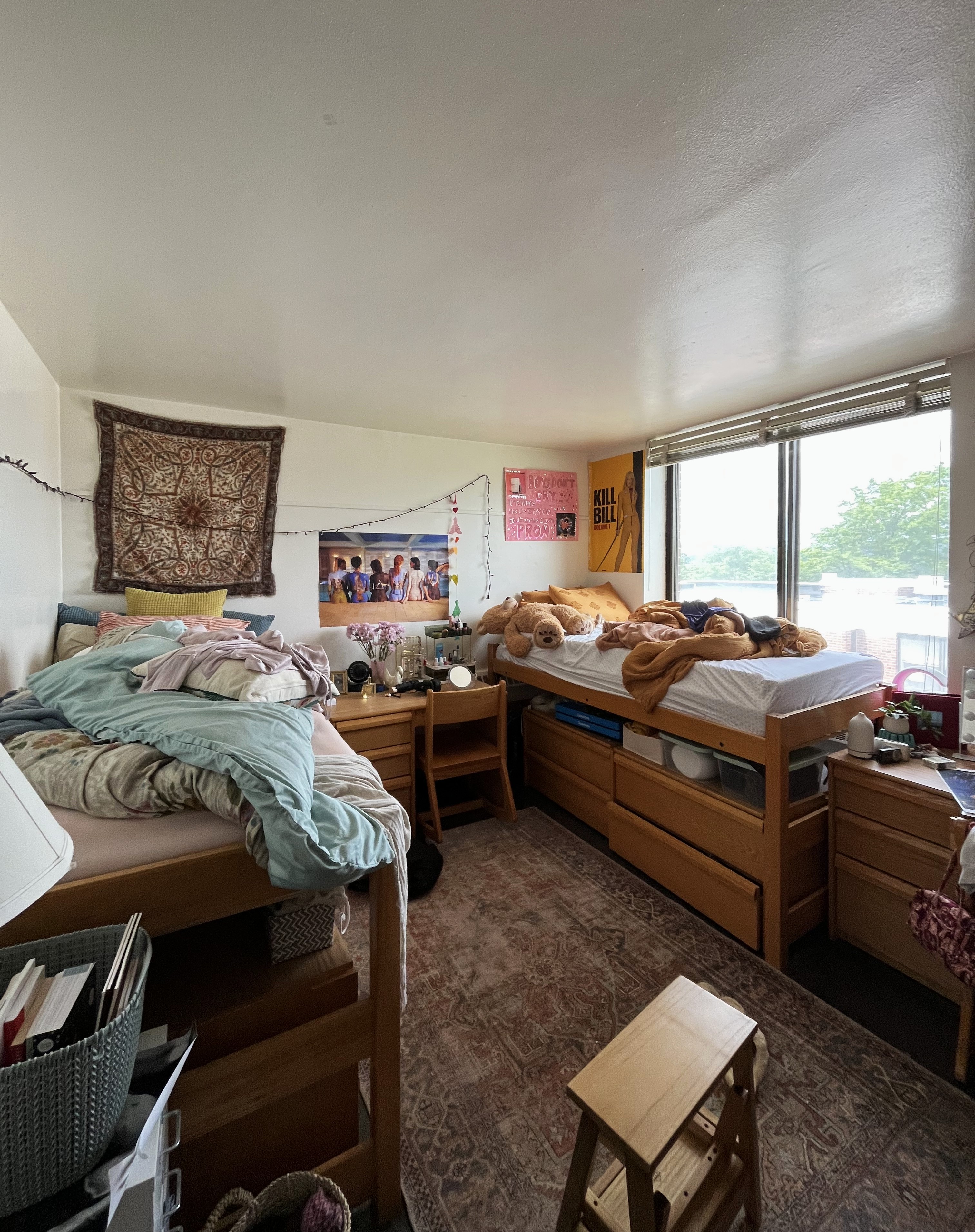
If you haven’t already lived it yourself, you’ve most likely heard stories of the horrors that can come with a bad roommate. From trash overflowing to unwanted 4 a.m. screaming, a bad roommate can be anything from silent to clinically crazy. It can be awkward to start an outright confrontation, but sometimes being too agreeable can become even more stressful than their bad habits. Instead of ignoring it until the end of the semester or lease renewal rolls around, some basic combative measures can turn a war zone into a symbiotic relationship.
Memorize Their Schedule
Sharing schedules with each other may seem simplistic, but having an idea of when you’ll have company in your shared space can relieve some stress about returning home. Your room should be a safe haven to escape the bustle of campus and reset from the day. By working your schedules around each other, it’s much easier to find alone time when it’s needed and allow for a break from bad habits.
Delegating Chores
Creating some kind of chore list creates a physical copy of often unspoken expectations. While you may assume that dishes should be cleaned immediately, your roommate may prefer to wait to wash. By writing down chores, the tasks can be split evenly, and the unspoken rules instead become obligations. It also gives more gravity to the everyday jobs, lessening the potential fear around addressing bad behaviors.
Separate Things
Sometimes sharing isn’t caring. Especially off campus, keeping track of who bought the last gallon of milk can be stressful and create ample opportunity for arguments. Instead of splitting the bill, shop for yourself. Only worrying about your own purchases forces and fosters independence, both financially and socially. Bad roommates often have trouble fending for themselves, especially while functioning alone as adults for the first time in their college years. Separate groceries, sides of the room and even friend groups can help create space and ease tensions.
Talk to Them Face-to-Face
Passive-aggressive behavior may seem like a happy medium, but an inability to clearly communicate can lead to pent-up resentment and big blowout arguments. Start a policy of open conversations — communication without fear of retaliation makes it much easier to talk about what’s bothering you and foster healthy habits.
Make these conversations nonthreatening by heading to the dining hall or going for a campus walk. Instead of using accusatory language, try to talk about how certain behaviors of theirs make you feel. Staying cool and collected makes it less of a confrontation and more of a conversation.
Find a Third Space
Third spaces are locations separate from home and school/work, a place to relax from obligations and unwind without external pressures. Places like the Dickinson Lounge over the Chenango Champlain Collegiate Center, the Nature Preserve or even a friend’s place can serve as an escape from roommate or class-related anxieties. Removing yourself from environments that remind you of stressors allows you to breathe freely and clear your mind, preparing you for the days to come.
The bottom line when dealing with a bad roommate situation is to stay as calm as possible. Levelheaded decision-making will benefit you much more in the grand scheme of things and allows you to feel confident that your actions aren’t the problem. But if all else fails, out-crazy your roommate and reverse the roles for some much-earned alone time.